


Developing strong, defined shoulders is a key aspect of overall upper body strength and aesthetics. One of the most effective exercises for achieving this is the lateral lift with dumbbells, which specifically targets the deltoid muscles, creating visible shoulder definition.
This isolation exercise is crucial for improving overall upper body strength and enhancing posture and stability. By mastering the proper technique and avoiding common mistakes, individuals can maximize their results from this powerful exercise.
Whether you’re a beginner or an experienced lifter, incorporating lateral lifts into your routine can significantly enhance your shoulder development. Understanding the importance of this exercise in a balanced shoulder routine will help you achieve better posture, stability, and functional strength.
Key Takeaways
- Lateral lifts with dumbbells effectively target the deltoid muscles for visible shoulder definition.
- This exercise improves overall upper body strength and enhances posture and stability.
- Mastering proper technique is crucial for maximizing results.
- Incorporating lateral lifts into your routine can enhance shoulder development.
- A balanced shoulder routine including lateral lifts improves posture, stability, and functional strength.
Understanding Lateral Lifts and Their Importance
The lateral lift is an isolation exercise that targets the deltoid muscles, playing a vital role in shoulder development. By focusing on the deltoids, lateral lifts help improve overall shoulder strength and aesthetics.

What Are Lateral Lifts?
Lateral lifts, also known as lateral raises, are an exercise where you lift weights out to the sides until they are at shoulder level. This movement specifically targets the deltoid muscles, which are crucial for shoulder rotation and stability. It’s an effective way to enhance the strength and appearance of your shoulders.
Why They’re Essential for Shoulder Development
Lateral raises are crucial for developing well-rounded, three-dimensional shoulders. Many workout routines focus heavily on pressing movements, which primarily target the anterior deltoids while neglecting the medial deltoids. Including lateral raises helps correct this imbalance, contributing to upper body stability and the coveted “shoulder cap” appearance that gives the upper body a more athletic, V-shaped silhouette, effectively enhancing your overall physique with a proper lateral raise technique.
Muscles Targeted by Lateral Lifts Dumbbell
The muscles targeted by lateral lifts dumbbell are essential for overall shoulder development. The exercise is designed to work multiple muscle groups simultaneously.
Primary Muscle: Deltoids
The primary muscle worked during lateral lifts is the deltoids. Specifically, the medial deltoid is the main target, playing a crucial role in shoulder abduction and overall shoulder stability.
Secondary Muscles Engaged
While the deltoids are the primary focus, several secondary muscles are engaged to support the movement. These include the trapezius muscles, rotator cuff muscles, and serratus anterior, which help stabilize the shoulder joint and blade.
With proper form, the engagement of these secondary muscles is minimal, ensuring maximum focus on the deltoids.
Proper Form for Lateral Lifts Dumbbell
Mastering the proper form for lateral lifts with dumbbells is crucial for effective shoulder development. This ensures that the target muscles are engaged correctly, reducing the risk of injury.
Starting Position
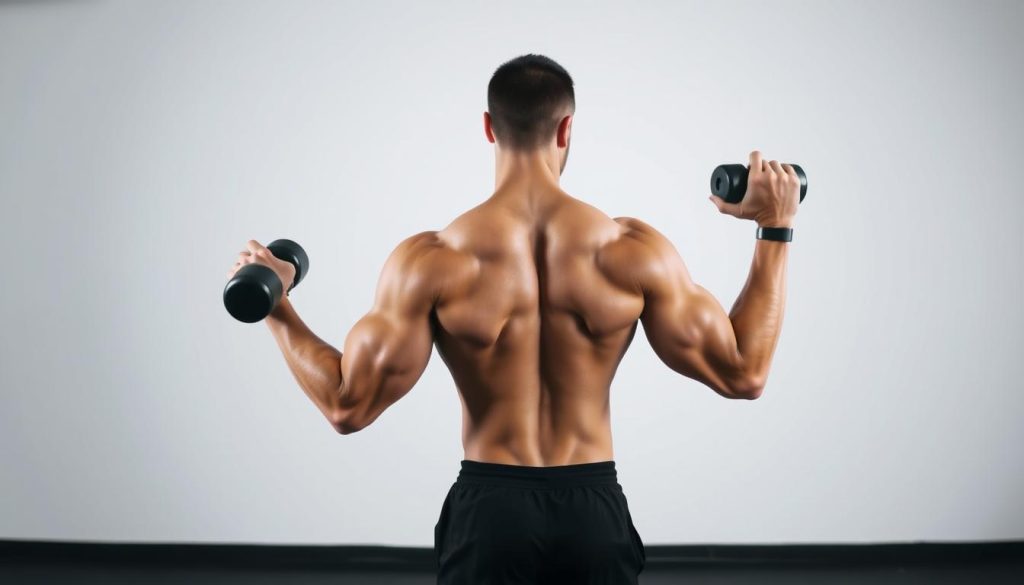
Begin by standing with your feet shoulder-width apart, holding a dumbbell in each hand at your sides with your palms facing your thighs. Keep your back straight and engage your core to maintain stability throughout the exercise.
Movement Execution
Without rocking forward, lift the dumbbells upwards, rotating them slightly as you raise to shift your shoulders into external rotation. Raise the weights until they are just below shoulder height, pause briefly, and then lower them back down under control. This motion should be smooth and deliberate, focusing on using your shoulder muscles to lift the dumbbells with your arms.
Breathing Technique
Proper breathing enhances stability and power during lateral lifts. Inhale deeply through your nose as you prepare, exhale steadily through your mouth as you raise the dumbbells, and inhale again as you lower them. Maintaining a consistent breathing pattern supports proper form and maximizes oxygen delivery to your working muscles.
5 Common Mistakes to Avoid
Mastering the lateral lift dumbbell exercise requires attention to form and technique to avoid common pitfalls. Even experienced lifters can fall into bad habits that compromise the effectiveness of the exercise or lead to injury.
Using Too Much Weight
One of the most common mistakes is using too much weight, which can cause you to sacrifice form for heavier loads. This not only reduces the effectiveness of the exercise but also increases the risk of injury.
Swinging or Rocking Motion
Using a swinging or rocking motion to lift the dumbbells is another mistake. This can put unnecessary strain on your joints and compromise the muscle you’re trying to target.
Lifting Too High
Lifting the dumbbells too high can also be problematic. It can lead to unnecessary strain on the shoulder joint and potentially cause impingement.
Improper Shoulder Position
Maintaining proper shoulder position is crucial. Improper shoulder positioning can lead to strain and potential injury. Ensure your shoulders are relaxed and down.
Incorrect Hand Position
The position of your hands during lateral lifts significantly impacts shoulder joint health and muscle recruitment. Avoid turning your thumbs downward, as this can increase the risk of shoulder impingement. Instead, opt for a neutral or slight “thumbs up” orientation.

Variations of Lateral Lifts Dumbbell
Exploring different lateral lift exercises can enhance your shoulder training. This variation not only keeps your workout interesting but also challenges your muscles in new ways.
Front Lateral Raises
Front lateral raises target the front deltoids. To perform, stand with your feet shoulder-width apart and hold dumbbells in front of your thighs. Lift the dumbbells out to the sides until they are at shoulder level, then lower them back down. Focus on controlled movements to maximize the effect.
Rear Lateral Raises
Rear lateral raises are crucial for a balanced shoulder development. They target the rear deltoids. Hold dumbbells with your arms at your sides, then lift the dumbbells out to the sides until they are at shoulder level. Keep your core engaged throughout the exercise.
Cable and Resistance Band Alternatives
Cable and resistance band lateral raises offer different resistance profiles. Cable raises provide constant tension, while resistance bands increase resistance as you lift.

As noted, “Using cables or resistance bands can add variety to your workout,” as it challenges your muscles differently. Both are excellent alternatives for shoulder training, especially when traveling or training at home.
Creating an Effective Shoulder Workout
To maximize shoulder development, it’s crucial to incorporate lateral lifts into your workout routine effectively. A well-structured shoulder training program should target the deltoids from multiple angles, ensuring balanced strength and stability.

Recommended Sets and Reps
For optimal results, aim for 3-4 sets of 8-12 repetitions for lateral lifts. This range allows for sufficient muscle stimulation without overexertion.
Weight Selection Guidelines
When selecting weights, prioritize control and proper form over heavy loads. Start with a weight that allows you to complete the desired number of reps with good form, and gradually increase the weight as your strength improves.
Incorporating Lateral Lifts into Your Routine
Lateral lifts work best when added to the end of your upper body workouts. Place them after compound movements like overhead presses to avoid pre-exhausting the deltoids. For a balanced shoulder development, include all three variations (front, side, and rear) in your weekly training schedule.
Benefits Beyond Shoulder Strength
Strengthening your shoulders with lateral lifts has a range of benefits that can enhance your overall body strength and stability. These benefits are not limited to just the shoulders but extend to improving overall upper body performance and reducing the risk of injury.
Improved Posture and Stability
Lateral lifts contribute to better posture and stability by strengthening the muscles around the shoulder joint. This improvement in posture can lead to a more balanced and athletic physique. Well-developed shoulder muscles create a protective muscular structure around the vulnerable shoulder joint, enhancing overall stability.
Injury Prevention Benefits
The exercise offers significant benefits in terms of injury prevention. By strengthening the rotator cuff muscles when performed with proper form, lateral lifts reduce the risk of common shoulder injuries. Balanced shoulder development prevents muscular imbalances that can lead to impingement, tendonitis, and other shoulder problems. Moreover, strong shoulders contribute to overall upper body strength, reducing injury risk during both athletic activities and daily tasks.
- Well-developed shoulder muscles create a protective muscular structure around the vulnerable shoulder joint.
- Lateral lifts strengthen the rotator cuff muscles, reducing the risk of common shoulder injuries.
- Balanced shoulder development prevents muscular imbalances that can lead to various shoulder problems.
The controlled nature of lateral raises helps improve mind-muscle connection and body awareness, leading to better movement patterns in other exercises. This awareness and strength contribute to a more stable and capable upper body.
Conclusion: Mastering the Lateral Lift for Stronger Shoulders
The lateral lift dumbbell exercise is a fundamental component of any comprehensive shoulder training program. By mastering proper form and technique, you’ll maximize the benefits while minimizing the risk of injury to this delicate joint.
- Incorporate all three variations of lateral raises (front, side, and rear) to develop well-rounded, three-dimensional shoulders.
- Start with lighter weights and focus on quality movement before gradually increasing resistance as your shoulder strength improves.
To achieve the strong, sculpted shoulders you desire, consistency with these fundamental dumbbell exercises is key. Continue reading about shoulder training to expand your knowledge and enhance your workout routine.