

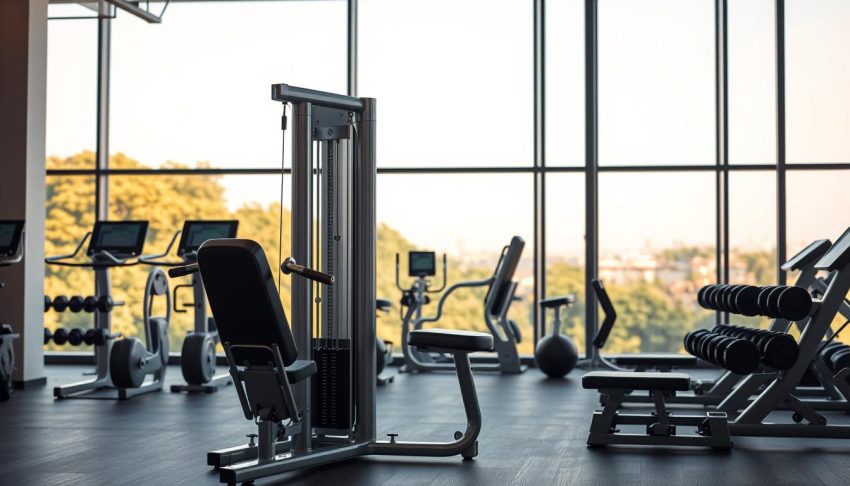
Transform your leg workouts with the essential equipment found in every modern gym: the hip adduction machine. This specialized machine targets specific muscles often neglected in traditional routines, enhancing overall lower body strength and stability.
Incorporating the hip adduction machine into your fitness regimen can significantly improve mobility and functional strength. The adductor muscles play a crucial role in athletic performance and overall leg health.
This comprehensive guide will walk you through proper form techniques, workout routines suitable for all fitness levels, and the benefits of using this valuable equipment in your gym sessions.
Key Takeaways
- Enhance your leg workouts with targeted muscle training.
- Improve overall lower body strength and stability.
- Increase mobility and functional strength.
- Learn proper form techniques for safe and effective workouts.
- Discover workout routines tailored to your fitness level.
Understanding Hip Adduction: The Movement and Muscles
Hip adduction refers to the movement of bringing the thighs toward the midline of the body, a function critical for balance and stability. This movement is facilitated by a group of muscles known as the adductor muscles.
What is Hip Adduction?
Hip adduction is the action of bringing the thighs together, a movement essential for various physical activities such as walking, running, and balancing. It involves the coordination of multiple muscle groups to achieve the desired movement.
Key Muscles Targeted
The primary adductor muscles include the Adductor Longus, Adductor Brevis, Adductor Magnus, Gracilis, and Pectineus. These muscles work together to facilitate hip adduction and provide stability to the pelvis and lower body. Strengthening these muscle groups can improve overall lower body function and athletic performance.

The Hip Adduction Machine: Your Complete Guide

The hip adduction machine is a specialized piece of gym equipment that focuses on the inner thigh muscles, providing a well-rounded leg workout. This machine is designed to isolate the adductor muscles, which are often undertrained in traditional leg exercises.
Machine Design and Features
The hip adduction machine typically features a seated or standing position with pads that you squeeze together to work your inner thighs. Its design allows for a controlled movement, minimizing the risk of injury while maximizing the effectiveness of the exercise. Key features often include adjustable resistance and comfortable padding to accommodate different user sizes.
How It Differs from Other Leg Equipment
Compared to other popular leg equipment like the leg press or squat racks, the hip adduction machine offers a unique isolation movement. While compound exercises like squats work multiple muscle groups, the hip adduction machine specifically targets the adductor muscles. This makes it an excellent addition to a comprehensive leg day routine, ensuring balanced muscle development.
Incorporating the hip adduction machine into your workout routine can enhance overall lower body strength and stability. By understanding its machine design and how it differs from other equipment, you can make informed decisions about your leg training.
Hip Adduction vs. Abduction: Understanding the Difference
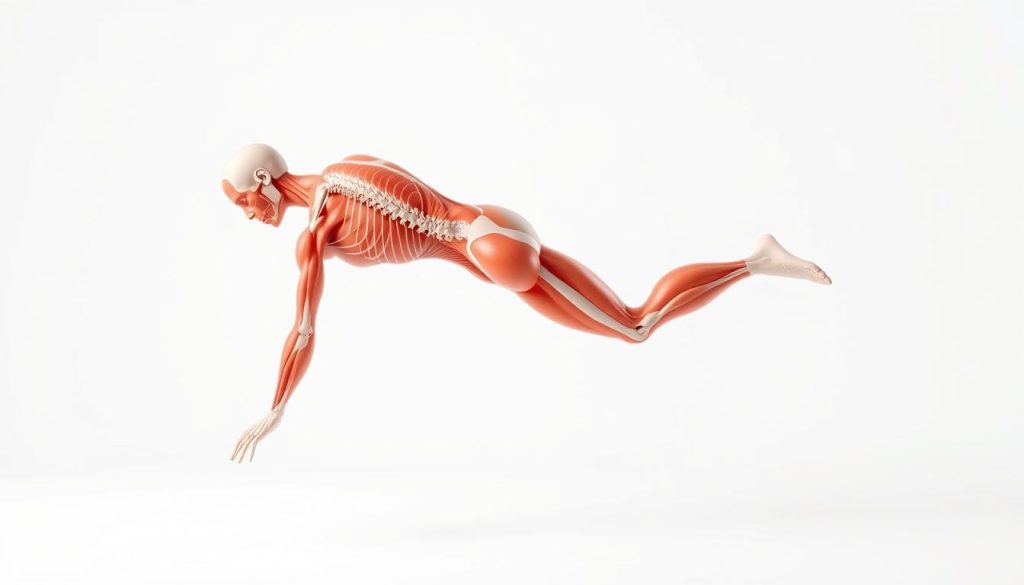
The human hip performs two fundamental movements: adduction, which brings the legs together, and abduction, which moves them apart. Understanding these movements is crucial for a balanced lower body workout.
Adduction: Moving Inward
Hip adduction involves bringing the legs together, targeting the inner thigh muscles. This movement is essential for activities like riding a bike or maintaining posture during daily tasks. Strengthening the adductor muscles can improve overall lower body strength.
Abduction: Moving Outward
Hip abduction is the movement of the leg away from the body’s midline, primarily engaging the gluteus medius, gluteus minimus, and tensor fasciae latae. The hip abductor muscles are vital for lateral stability and balance, particularly during single-leg activities. Weak abductor muscles can lead to common issues like knee valgus.
Benefits of Using a Hip Adduction Machine
The hip adduction machine is a valuable tool for strengthening the inner thigh muscles, improving hip stability, and enhancing overall lower body function. By targeting the adductor muscles, this machine helps achieve a balanced strength in the hip muscles.
Strengthening Inner Thigh Muscles
Strengthening the inner thigh muscles through hip adduction exercises can lead to improved muscle balance and reduced risk of injuries. Stronger adductors contribute to better performance in activities like running and cycling.
Improving Hip Stability
Improved hip stability is another significant benefit of using a hip adduction machine. By stabilizing the hip joint, individuals can experience reduced lower back pain and improved overall posture.
Enhancing Lower Body Function
Enhanced lower body function is achieved through balanced strength in all hip muscles, including the adductors. This balance contributes to optimal biomechanics, improving performance in functional movements like squats and lunges, and enhancing gait mechanics for more efficient walking and running.

Proper Form and Technique on the Hip Adduction Machine
To get the most out of your hip adduction machine workout, it’s crucial to focus on proper form and technique. This not only maximizes the effectiveness of the exercise but also minimizes the risk of injury. When using the hip adduction machine, individuals should pay close attention to their body position and the movement they are performing.
Setting Up the Machine Correctly
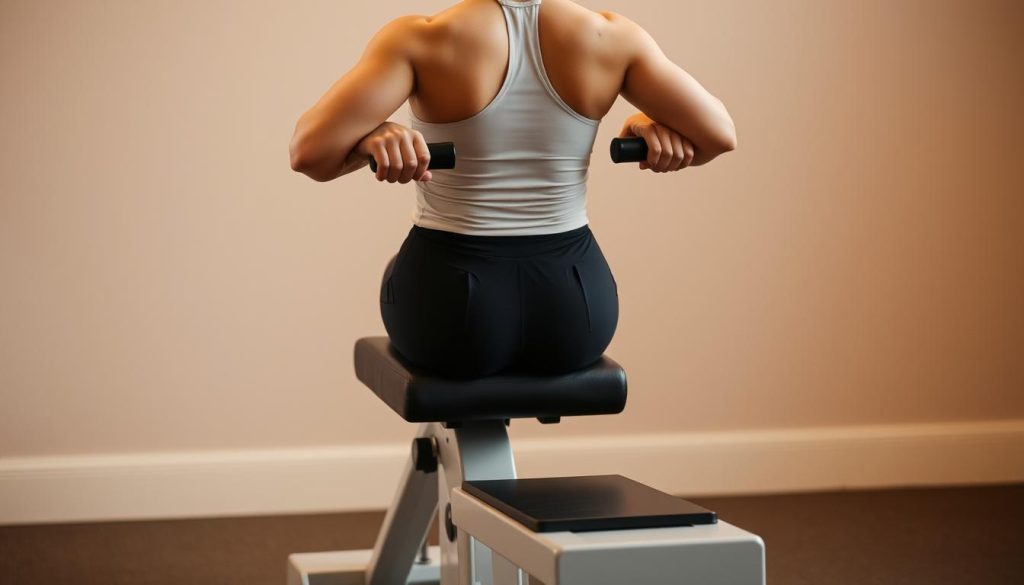
Setting up the hip adduction machine correctly is the first step towards a successful workout. Ensure that the seat is adjusted so that your legs are at a comfortable position. Your back should be firmly against the backrest, and your feet should be placed correctly on the footrests. This setup helps maintain proper alignment and reduces the risk of strain.
Execution Tips for Maximum Results
To get the most out of the exercise, focus on slow, controlled movements. Avoid using momentum, as it can lead to injury and reduces the effectiveness of the workout. Instead, concentrate on squeezing your inner thigh muscles as you perform the adduction movement. This controlled approach ensures that your muscles are working effectively.
Common Form Mistakes to Avoid
Several common mistakes can undermine your workout on the hip adduction machine. These include:
- Using excessive weight, which can lead to compensatory movements and potential injury.
- Relying on momentum rather than controlled muscle contraction.
- Improper seat positioning, leading to misalignment of the hips and stress on the lower back.
- Incomplete range of motion, limiting the benefits of the exercise.
- Gripping the handles too tightly, causing unnecessary upper body tension.
Being aware of these potential pitfalls can helpindividualsadjust their technique to achieve a safer, more effective workout.
Effective Hip Adduction Machine Workouts
Whether you’re a beginner or an advanced trainee, the hip adduction machine can be a game-changer in your leg workout routine. To maximize its benefits, it’s crucial to follow a structured training plan.
Beginner Workout Routine
Start with 2 sets of 12-15 reps to get accustomed to the machine and build initial strength in your adductor muscles. Focus on proper form and controlled movements.
Intermediate Progression
As you get stronger, increase the resistance and aim for 3 sets of 10-12 reps. This progression helps in further strengthening the adductor muscle group.
Advanced Training Techniques
For advanced trainees, incorporating techniques like drop sets and supersets can enhance the effectiveness of your exercises. Try 4 sets of 8-10 reps with 45-60 seconds rest between sets.

Who Benefits Most from Hip Adduction Training?
Various individuals, including athletes and those recovering from injuries, can benefit from hip adduction training. This form of exercise is crucial for enhancing the strength and stability of the adductor muscles, which are vital for overall lower body strength.
Athletes and Sports Performance
Athletes, particularly those involved in sports requiring quick bursts of speed or rapid changes in direction, can significantly benefit from hip adduction training. Stronger adductor muscles contribute to improved performance in activities like sprinting, cycling, and jumping. By enhancing the strength of these key muscles, athletes can achieve better overall performance and reduce the risk of injury.
Rehabilitation and Injury Prevention
Hip adduction training is also valuable for individuals undergoing rehabilitation or seeking to prevent injuries. Adductor strains and groin pulls are common issues that can be mitigated through targeted strengthening programs. By incorporating hip adduction exercise into their routine, individuals can improve the stability of their hips and knees, reducing the risk of injury and enhancing overall body resilience.
Alternative Exercises for Hip Adduction
You don’t need a hip adduction machine to strengthen your adductor muscles; several bodyweight and resistance band exercises can be just as effective.
Bodyweight Alternatives
Bodyweight exercises are a great way to start strengthening your adductor muscles without any equipment. One effective exercise is the Adductor Slide. To perform this exercise, stand upright with your feet together. You may need something under the moving foot to help it slide, such as a sock or towel on a smooth floor. Tense your core and slowly, with control, slide the foot away from the body. Once you reach your limit, keep the movement controlled and slide back inwards. This exercise targets the adductor muscles effectively.
Resistance Band Exercises
Resistance band exercises offer a versatile way to target the adductor muscles. Some effective exercises include standing adduction, seated adduction, and lying adduction. To perform these exercises, you’ll need to select a resistance band with appropriate tension for your fitness level. For example, a standing adduction involves anchoring the band at hip height and attaching the other end to your leg. You then press your leg towards the midline of your body against the resistance. Proper form is crucial to effectively target the adductor muscles and avoid injury.
- Standing Adduction: Stand with the band anchored at hip height and attached to the leg closest to the anchor. Press the leg towards the midline.
- Seated Adduction: Sit on the floor with the band looped around both legs just above the knees. Squeeze your legs together.
- Lying Adduction: Lie on your side with the band anchored and looped around the top leg. Lift the top leg towards the ceiling and then lower it.
Incorporating Hip Adduction into Your Workout Routine
Strengthening the adductor muscles through hip adduction is vital for balanced leg development. By incorporating hip abduction and adduction exercises into your workout routine, you can target different muscle groups in the hips and thighs, leading to improved strength, stability, and overall lower body function.
Frequency and Volume Recommendations
For optimal results, it’s recommended to perform hip adduction exercises 2-3 times a week. Start with 2-3 sets of 8-12 repetitions and adjust based on your fitness level. This frequency helps in strengthening the abductor adductor muscles without overtraining.
Pairing with Complementary Exercises
Pairing hip adduction with complementary exercises like squats and lunges can enhance overall lower body development. Consider creating supersets or circuits that include adduction exercises followed by other compound movements for maximum efficiency.
Real-World Applications of Stronger Adductor Muscles
The benefits of having robust adductor muscles extend beyond the gym, influencing daily life and sports performance. Stronger adductors contribute significantly to both everyday movements and athletic endeavors.
Everyday Movement Benefits
In daily life, stronger adductor muscles enhance stability and mobility. They play a crucial role in activities such as walking, climbing stairs, and maintaining balance. This strength in the hips and thighs reduces the risk of falls and injuries, making everyday tasks easier and safer.
Athletic Performance Improvements
For athletes, stronger adductors improve abductor adductor balance, which is vital for high-performance activities. They enable quicker changes of direction, faster acceleration, and more powerful movements. This results in enhanced overall athletic capability and reduced risk of injury, allowing for more consistent training and better long-term development.
Myths and Misconceptions About Hip Adduction Training
There’s a common misconception that hip adduction training doesn’t translate to real-life movements. However, this isolated exercise can significantly contribute to overall lower body strength and stability.
Addressing Common Concerns
One concern is that hip adduction training doesn’t mimic real-life movements, unlike compound exercises such as deadlifts. Nevertheless, strengthening the adductor muscles can improve hip stability, which is crucial for various daily activities and athletic performances.
Research indicates that adduction training can enhance hip strength and reduce the risk of injuries in athletes. By incorporating this exercise into a comprehensive fitness program, individuals can experience significant benefits in their overall lower body strength.
Evidence-Based Facts
Studies have shown that isolated adductor training can lead to significant improvements in hip stability and strength. This is particularly beneficial for athletes who engage in sports that involve rapid changes of direction or high-intensity movements.
- Adduction strength is crucial for maintaining proper form during various exercise routines.
- Incorporating hip adduction training can lead to improved performance in daily life by enhancing overall lower body strength.
- The abductor adductor muscles work in tandem to provide hip stability, making their balanced training essential.
Conclusion: Maximizing Your Results with Hip Adduction Training
Strengthening your adductor muscles through hip adduction training can significantly improve overall hip stability and function. By incorporating the hip adduction machine into your gym routine, you can enhance your lower body strength and achieve a more balanced workout.
To get the most out of hip adduction training, it’s crucial to focus on proper form and technique. Start with appropriate weights and progress gradually, ensuring that you’re targeting the correct muscles. A balanced training program that includes both adduction and abduction exercises will help you achieve optimal hip function and stability. Consistency is key, so track your progress and stay motivated to see continued improvements in strength and performance.