

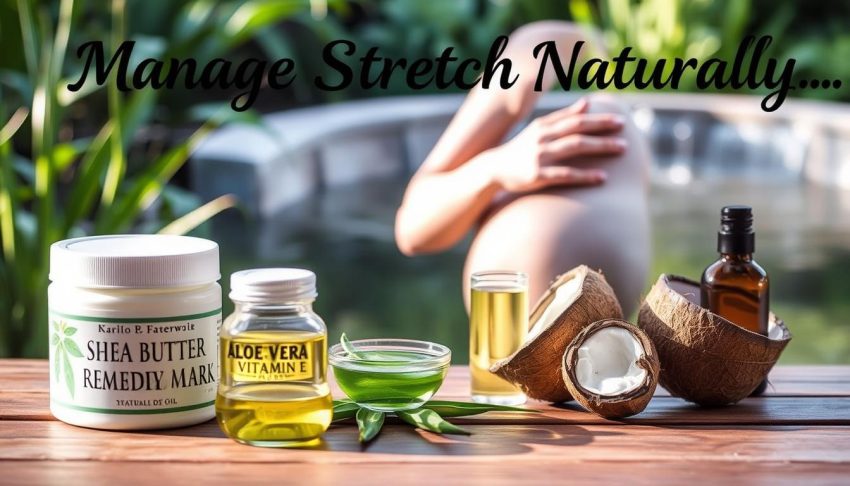
Stretch marks can be a significant concern for many, affecting their self-confidence and overall skin appearance. Natural remedies offer a promising solution for managing these marks without harsh chemicals.
Using natural techniques can help reduce the appearance of stretch marks, promoting healthier skin. These methods are not only effective but also gentle on the skin, making them suitable for various skin types.
By understanding the causes of stretch marks and applying the right natural remedies, individuals can take a proactive approach to stretch mark prevention.
Key Takeaways
- Understand the causes of stretch marks
- Learn about natural remedies for stretch mark management
- Discover effective techniques for reducing stretch mark appearance
- Explore the benefits of natural stretch mark prevention methods
- Find out how to promote healthier skin naturally
Understanding Stretch Marks: Causes and Formation
Understanding the causes of stretch marks is crucial for effective management. Stretch marks, also known as striae, occur when the skin is stretched beyond its elastic limit, leading to tears in the dermal layer.
The Science Behind Stretch Mark Development
The development of stretch marks involves a complex interplay of hormonal, genetic, and mechanical factors. Hormonal fluctuations, particularly during pregnancy, can affect skin elasticity. Research suggests that the rapid expansion of skin during periods of significant growth or weight gain can lead to the formation of stretch marks.
- Genetic predisposition plays a significant role in the likelihood of developing stretch marks.
- Hormonal changes can affect the skin’s elasticity and strength.
- Mechanical stress on the skin due to rapid growth or weight changes.
Common Triggers: Pregnancy, Growth, and Weight Changes
Pregnancy is a common trigger for stretch marks, with many women experiencing them on the abdomen, breasts, and thighs. Growth spurts during puberty and significant weight changes can also lead to the formation of stretch marks. These triggers cause the skin to stretch rapidly, leading to tears in the dermis.
- Pregnancy-related stretch marks are common due to the rapid expansion of the skin.
- Growth spurts during puberty can lead to stretch marks on various parts of the body.
- Significant weight gain or loss can cause stretch marks due to the mechanical stress on the skin.
Different Types and Stages of Stretch Marks
Stretch marks can be categorized into different types based on their appearance and stage. Initially, they may appear as red or purple striae, which can be itchy and inflamed. Over time, they often fade to a silvery white, becoming less noticeable.
- Early-stage stretch marks are often red or purple and may be itchy.
- Mature stretch marks are typically silvery white and less noticeable.
- The appearance of stretch marks can vary depending on skin type and tone.
Managing Stretch Naturally: Techniques That Work
As people become more aware of the ingredients in their skincare products, natural methods for managing stretch marks are gaining traction. This shift towards natural and organic skincare is driven by consumers seeking safer, more effective solutions for their skin concerns.
Why Natural Approaches Are Gaining Popularity
The increasing popularity of natural approaches to managing stretch marks can be attributed to a growing awareness of the importance of skin health and the desire for non-invasive treatments. Consumers are now more inclined towards products and methods that are free from harsh chemicals, opting instead for natural ingredients that nourish and rejuvenate the skin.
Key factors driving this trend include:
- Increased awareness of skincare ingredients
- Preference for non-invasive, natural treatments
- Growing demand for organic and sustainable products
Setting Realistic Expectations for Results
When adopting natural stretch mark treatments, it’s crucial to set realistic expectations. Natural methods often require patience, as they work gradually to improve skin health and appearance. Understanding that results may vary and that consistency is key can help individuals stay committed to their skincare routines.
Tips for setting realistic expectations include:
- Understanding the gradual nature of natural treatments
- Being patient and consistent with skincare routines
- Monitoring progress and adjusting routines as needed
Creating a Consistent Routine for Success
Creating a consistent routine is vital for the success of natural skincare treatments. This involves not only applying products regularly but also maintaining a healthy lifestyle that supports skin health. By combining natural treatments with healthy habits, individuals can enhance their skin’s resilience and appearance.
Elements of a consistent routine include:
- Regular application of natural skincare products
- A balanced diet rich in nutrients
- Adequate hydration and lifestyle adjustments
Preventive Measures for Stretch Mark Formation
Early intervention is key to preventing stretch marks, especially during periods of significant bodily change. By understanding the triggers and taking proactive steps, individuals can reduce the likelihood of stretch mark formation.
Early Intervention: Timing Is Everything
Preventing stretch marks is most effective when started early. During periods of rapid growth or change, such as pregnancy or puberty, the skin is more susceptible to stretching and tearing. Applying preventive measures early on can significantly reduce the risk of stretch mark formation.
As Dr. Jane Smith, a dermatologist, notes, “Early intervention is crucial. By the time stretch marks appear, it’s often too late to prevent them entirely.”
Daily Moisturizing Habits That Make a Difference
Maintaining well-moisturized skin is a critical component of stretch mark prevention. Using a rich moisturizer daily, especially on areas prone to stretching, can improve skin elasticity and resilience.
- Use a moisturizer that contains natural ingredients like shea butter or coconut oil.
- Apply moisturizer immediately after bathing or showering while the skin is still damp.
- Massage the moisturizer into the skin to enhance absorption and stimulate blood flow.
Preventive Strategies During Pregnancy and Weight Changes
During pregnancy and significant weight changes, the skin undergoes considerable stress. Implementing preventive strategies during these periods can help mitigate the risk of stretch marks.
“Maintaining a healthy weight and staying hydrated are crucial during pregnancy. These habits not only support overall health but also contribute to skin elasticity.”
By combining these preventive measures with a healthy lifestyle, individuals can significantly reduce their risk of developing stretch marks.
Essential Oils and Natural Topical Remedies
Essential oils offer a natural and effective way to improve skin elasticity and reduce the appearance of stretch marks. These oils, when used correctly, can nourish the skin, promote collagen production, and enhance skin regeneration.
Most Effective Essential Oils for Skin Elasticity
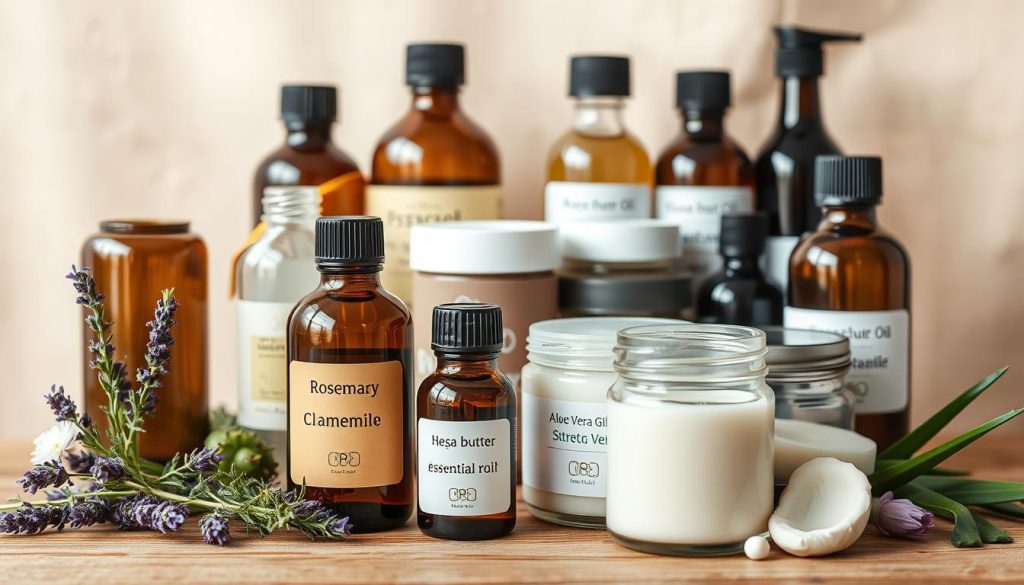
Certain essential oils are renowned for their benefits in improving skin elasticity. Lavender oil is known for its soothing properties, while rosemary essential oil can improve circulation, promoting healthy skin. Frankincense oil is also valued for its ability to reduce the appearance of fine lines and wrinkles, making it beneficial for stretch mark management.
Other effective essential oils include geranium oil, which helps balance hormones that can impact skin health, and carrot seed oil, rich in antioxidants that support skin regeneration.
Carrier Oils That Nourish and Repair
Carrier oils play a crucial role in diluting essential oils and providing additional nourishment to the skin. Coconut oil is highly moisturizing, while almond oil is rich in vitamins and minerals. Jojoba oil closely resembles the skin’s natural oils, making it an excellent choice for skin care.
Creating and Applying DIY Oil Blends and Balms
Creating your own DIY oil blends and balms can be a cost-effective and personalized way to manage stretch marks. A simple blend can be made by mixing a few drops of your chosen essential oil with a carrier oil. For instance, combining lavender essential oil with coconut oil can create a soothing and nourishing blend.
To apply, gently massage the blend onto the affected areas in a circular motion, promoting blood flow and absorption. Regular application is key to seeing improvements in skin elasticity and the appearance of stretch marks.
Nutrition’s Role in Skin Elasticity and Health
Nutrition is fundamental to skin health, influencing its elasticity and resilience. A diet rich in essential nutrients can help maintain skin strength and reduce the appearance of stretch marks.
Collagen-Boosting Foods for Skin Strength
Collagen is a crucial protein that gives skin its strength and elasticity. Consuming foods that boost collagen production can help improve skin health. These include:
- Vitamin C-rich foods like citrus fruits, berries, and leafy greens that support collagen synthesis.
- Omega-3 fatty acids found in fatty fish, nuts, and seeds that help reduce inflammation and promote healthy skin.
- Zinc-rich foods such as oysters, beef, and chicken that play a significant role in collagen production and skin repair.
Vitamins and Minerals That Support Skin Repair
Apart from collagen-boosting foods, certain vitamins and minerals are crucial for skin repair and health. These include:
- Vitamin E, found in nuts and seeds, which acts as an antioxidant protecting skin from damage.
- Vitamin A, abundant in sweet potatoes and carrots, which helps in skin regeneration.
- Minerals like selenium, found in Brazil nuts, which help protect skin from oxidative stress.
Hydration Strategies for Optimal Skin Resilience
Hydration is key to maintaining skin elasticity. Drinking enough water and consuming hydrating foods can help keep skin resilient. Strategies include:
- Drinking at least eight glasses of water a day.
- Including hydrating foods like watermelon, cucumbers, and celery in your diet.
- Avoiding excessive caffeine and alcohol that can dehydrate the skin.
By incorporating these nutritional strategies, individuals can support their skin health and potentially reduce the appearance of stretch marks.
Exercise and Movement for Skin Health
Incorporating exercise into your daily routine can significantly enhance skin health by improving elasticity and reducing the appearance of stretch marks.
Regular physical activity stimulates blood flow and promotes collagen production, which are crucial for maintaining healthy, resilient skin. “Exercise is a natural way to boost your skin’s health and appearance,” says a dermatology expert.
Targeted Exercises for Stretch-Prone Areas
Targeted exercises can help strengthen the muscles beneath the skin, particularly in areas prone to stretch marks such as the abdomen, thighs, and hips. For example, pelvic tilts and leg raises can help tone the abdominal muscles.
Effective Exercises:
- Leg Raises: Lie on your back, raise one leg at a time.
- Pelvic Tilts: Lie on your back with knees bent, tilt your pelvis upwards.
- Squats: Stand with feet shoulder-width apart, squat down.
Circulation-Boosting Workouts for Skin Regeneration
Circulation-boosting workouts, such as cardio exercises, enhance blood flow to the skin, promoting regeneration and improving skin health. Activities like jogging, cycling, or swimming are excellent options.
Tips for Effective Cardio:
- Aim for at least 30 minutes per session.
- Mix different types of cardio to keep the routine interesting.
Gentle Stretching Routines for Skin Elasticity
Gentle stretching routines can improve skin elasticity by enhancing flexibility and reducing tension in the skin and underlying muscles. Yoga and Pilates are recommended for their gentle, effective stretching techniques.
Simple Stretching Exercises:
- Hamstring Stretch: Stand with feet shoulder-width apart, bend forward.
- Quad Stretch: Stand with one hand against a wall, bend one leg back.
By incorporating these exercises and stretching routines into your lifestyle, you can significantly improve your skin’s health and appearance.
DIY Natural Remedies and Home Treatments
Managing stretch marks naturally involves simple, homemade treatments that are both effective and gentle. By incorporating DIY natural remedies into your skincare routine, you can improve the appearance of stretch marks without resorting to harsh chemicals or expensive treatments.
Effective Homemade Masks and Scrubs
Homemade masks and scrubs are a great way to nourish your skin and reduce the visibility of stretch marks. Ingredients like coconut oil, sugar, and honey can be combined to create a moisturizing scrub that exfoliates and hydrates the skin. Avocado and banana masks are also beneficial, providing vitamins and minerals that support skin health.
To make a simple sugar scrub, mix 1 cup of sugar with 1/2 cup of coconut oil and a few drops of your favorite essential oil. Gently massage the scrub onto the affected areas in circular motions, then rinse with warm water.
Natural Massage Techniques to Improve Appearance
Massaging the skin can improve circulation, promote collagen production, and reduce the appearance of stretch marks. Using gentle, circular motions with your fingertips, massage the affected areas for several minutes daily. You can also use a mixture of almond oil and vitamin E oil to enhance the massage, providing extra nourishment to the skin.
Kitchen Ingredients That Reduce Stretch Mark Visibility
Many kitchen ingredients have properties that can help reduce the visibility of stretch marks. Aloe vera gel is known for its soothing and healing properties, while lemon juice can help lighten stretch marks due to its natural bleaching properties. Cucumber slices can be used to cool and hydrate the skin, reducing inflammation.
By incorporating these DIY natural remedies into your daily routine, you can take a proactive approach to managing stretch marks and improving your skin’s overall health.
When to Consider Professional and Complementary Approaches
When natural remedies aren’t enough, it’s essential to consider professional or complementary treatments for stretch mark management. While many individuals find success with home remedies, others may require additional interventions to achieve desired results.

Natural Professional Treatments Worth Considering
Several professional treatments can complement natural approaches, enhancing their effectiveness. Microdermabrasion and chemical peels are popular options that help improve skin texture and reduce the appearance of stretch marks. Additionally, laser therapy has gained popularity for its ability to stimulate collagen production and promote skin regeneration.
Combining Natural Methods with Medical Approaches
Combining natural remedies with medical treatments can offer a comprehensive approach to managing stretch marks. For instance, using essential oils in conjunction with micro-needling can enhance skin penetration and promote collagen production. It’s crucial to consult with a healthcare professional to determine the best combination of treatments for individual needs.
Signs Your Stretch Marks May Need Medical Attention
While most stretch marks are harmless, certain signs may indicate the need for medical attention. If stretch marks are accompanied by severe itching, redness, or inflammation, it’s essential to consult a healthcare professional. Additionally, if stretch marks are widespread or persistent, seeking professional advice can help determine the underlying cause and appropriate treatment.
Conclusion
Embracing a natural approach to managing stretch marks can be a game-changer for those seeking to improve their skin’s appearance. By understanding the causes and formation of stretch marks, individuals can take proactive steps towards prevention and treatment.
Throughout this article, we’ve explored various techniques and strategies for managing stretch naturally, from essential oils and natural topical remedies to nutrition and exercise. By incorporating these natural stretch mark remedies into your skincare routine, you can promote healthier, more resilient skin.
Effective skincare tips include maintaining a consistent routine, using natural products, and staying hydrated. By combining these practices with a balanced diet and regular exercise, individuals can support their skin’s health and reduce the appearance of stretch marks.
As we’ve seen, managing stretch naturally requires patience, dedication, and a comprehensive approach. By adopting these natural methods and tips, individuals can take control of their skin’s health and achieve a more confident, radiant appearance.